
How to Verify a Roommate Before Signing a Lease
Learn how to verify a potential roommate's identity, employment, rental history, and background before signing a lease. Protect yourself from scams and bad matches with this step-by-step guide.
By moujahed Dkmak
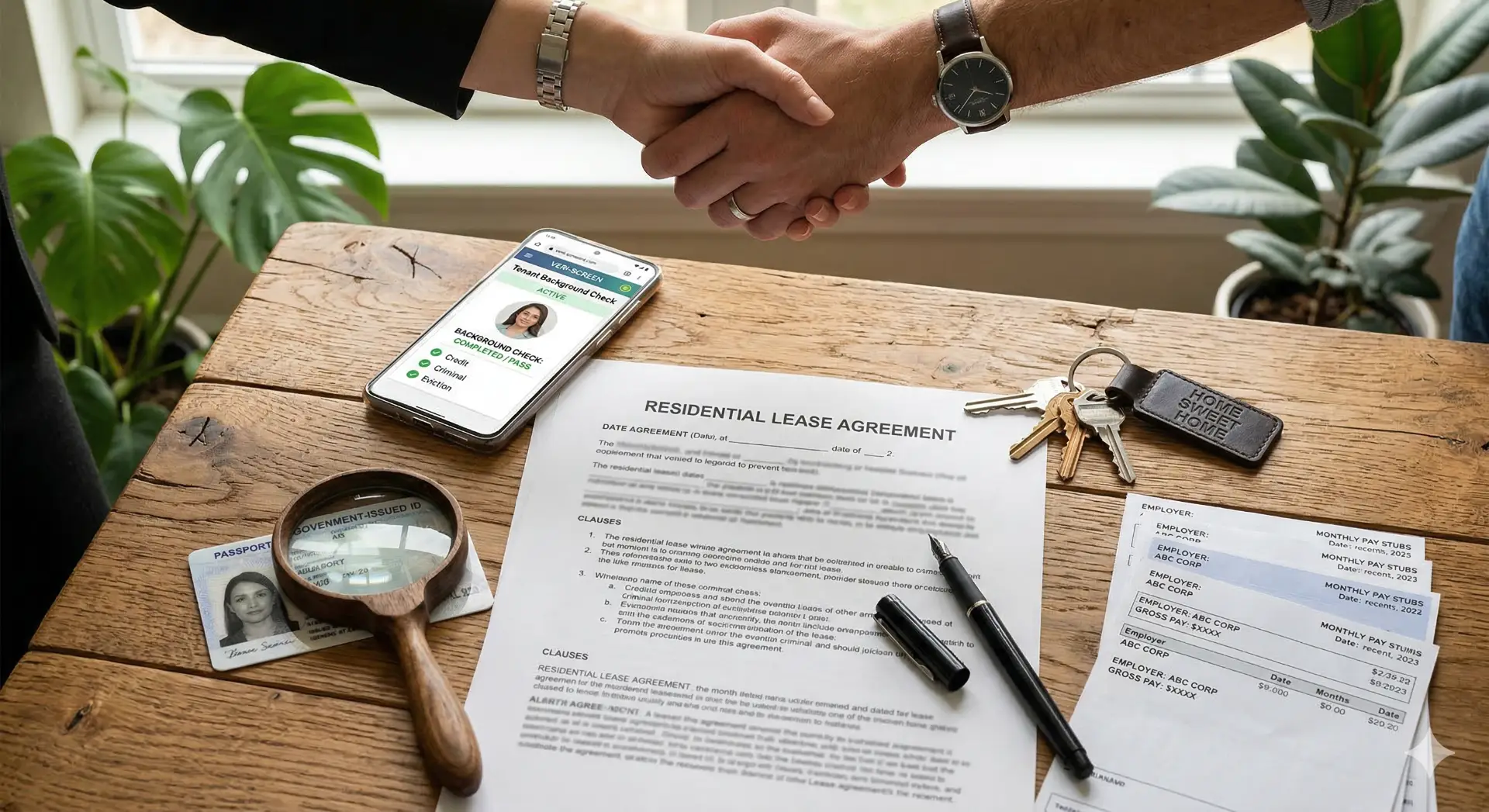
Signing a lease with someone you barely know is one of the most consequential financial decisions you can make, and one of the least scrutinized. Most people spend more time researching a restaurant than verifying the person who will share their home, their bills, and their daily life. A thorough verification process takes less than a week and can prevent months of financial and emotional damage.
Step 1: Verify Their Identity
Ask for a government-issued ID and confirm the name matches the person you have been communicating with. Cross-reference their social media profiles to check for consistency. A legitimate roommate will not be offended by this request. If someone refuses to share basic identification before a lease signing, that is a disqualifying red flag. The Federal Trade Commission offers guidance on protecting yourself from identity fraud during these exchanges.
Step 2: Confirm Employment or Income
Request proof of income such as recent pay stubs, an employment letter, or bank statements showing consistent deposits. A common rule is that each person's income should be at least 2.5 to 3 times their share of the rent. Self-employed or freelance roommates can provide tax returns or client contracts. The goal is not to judge their career but to confirm they can reliably cover their financial obligations.
Step 3: Check Rental History
Ask for references from previous landlords or roommates. Contact them directly and ask specific questions: Did they pay rent on time? Did they leave the apartment in good condition? Would you rent to them again? A roommate who cannot provide any rental references, especially someone who has been renting for years, may have a history they are trying to hide. Nolo's tenant screening guide outlines what you can legally ask for and expect.
Step 4: Run a Background Check
Several affordable services offer tenant background checks that include criminal records, eviction history, and credit scores. Platforms like SmartMove by TransUnion, RentPrep, and Checkr provide reports for fifteen to forty dollars. Both parties should agree to mutual checks, which builds trust and sets a professional tone for the arrangement.
Step 5: Meet in Person Before Committing
No amount of online screening replaces an in-person meeting. Visit the apartment together, discuss daily routines, and observe how they communicate. Pay attention to how they respond to direct questions about finances, guests, and cleanliness. Evasive or overly vague answers deserve further probing. The Consumer Financial Protection Bureau has resources on understanding your rights before entering any housing arrangement.
Step 6: Formalize Everything in Writing
A verbal agreement is not a roommate agreement. Draft a written document that covers rent amounts, payment dates, utility responsibilities, guest policies, quiet hours, cleaning expectations, and the process for either party to exit the arrangement. Both parties should sign it before any money changes hands. Rocket Lawyer and LawDepot offer free and low-cost roommate agreement templates you can customize.